AI Adoption Surge: Key Trends for Business Owners in 2026
AI Integration Heats Up: What Business Owners Need to Know
As 2026 approaches, Artificial Intelligence (AI) is no longer a futuristic concept but a present-day reality transforming industries. Here’s a breakdown of key trends and news that business owners should be aware of:
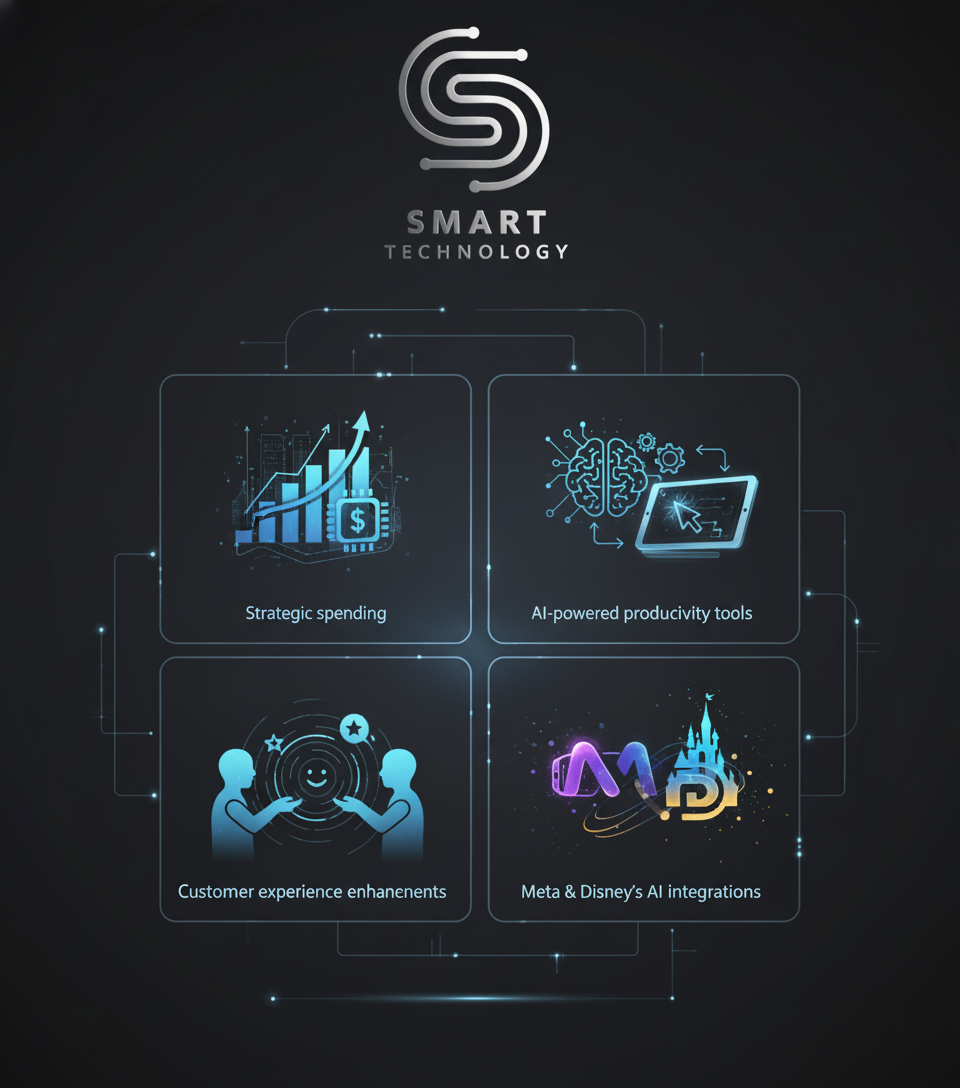
Strategic AI Spending
- Fewer Vendors, More Investment: Venture Capitalists (VCs) predict that enterprises will consolidate their AI spending in 2026, opting for fewer, more reliable vendors. This means businesses need to strategically choose AI partners who can deliver robust, scalable solutions.
AI-Powered Tools for Enhanced Productivity
- AI Dictation Apps: Consider integrating AI-powered dictation apps to streamline communication, note-taking, and even coding. These tools can significantly boost productivity.
- AI Recorders: Devices like the Plaud Note Pro are emerging as excellent AI-powered recorders, perfect for capturing important meetings and ideas on the go.
Customer Experience Revolutionized by AI
- Tesco's AI Deal: Retail giant Tesco is investing in AI to enhance customer experience. This highlights the growing importance of AI in understanding and catering to customer needs.
Meta's AI Expansion
- Meta Acquires Manus: Meta's acquisition of AI startup Manus signals a deeper integration of AI into social media platforms like Facebook, Instagram, and WhatsApp. This move could reshape how businesses interact with customers online.
Disney's Generative AI Integration
- Disney's AI Embedding: Disney is embedding generative AI into its operating model, indicating a major shift towards leveraging AI for creative and operational processes.
China's AI-Driven Energy System
- China's AI Push: China is aggressively applying AI across its energy system, showcasing the potential for AI to optimize resource management and infrastructure.
AI at the Edge with Arm
- Arm and Edge AI: The advancements in Arm chips are driving the future of AI at the edge, enabling more localized and efficient AI processing.