AI-Driven Transformation: From Tesco's Customer Experience to Disney's Operating Model and Beyond
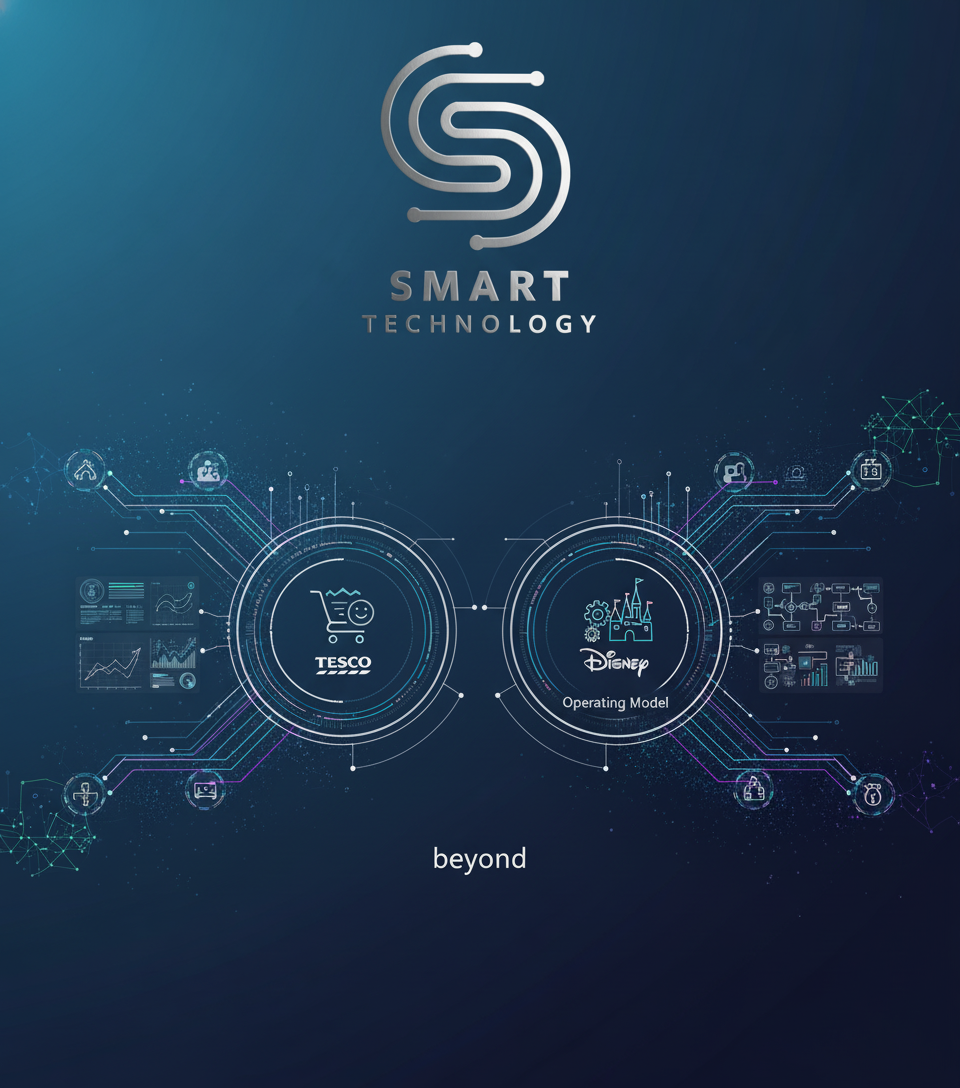
AI-Driven Transformation: From Tesco's Customer Experience to Disney's Operating Model and Beyond
Artificial Intelligence (AI) is rapidly reshaping industries, offering businesses unprecedented opportunities for innovation and growth. This briefing highlights key developments in AI, showcasing how companies like Tesco and Disney are leveraging AI to enhance customer experiences and streamline operations.
Tesco's AI-Powered Customer Experience
Tesco has signed a three-year AI deal focused on enhancing customer experience. This initiative demonstrates the growing importance of AI in retail, where personalized shopping experiences and efficient customer service are key differentiators.
- Personalized Shopping: AI can analyze customer data to provide personalized product recommendations and offers.
- Improved Customer Service: AI-powered chatbots can handle customer inquiries, freeing up human agents for more complex issues.
- Supply Chain Optimization: AI can predict demand and optimize inventory levels, reducing waste and improving efficiency.
Disney's Generative AI Integration
Disney is embedding generative AI into its operating model. This move signifies a broader trend of integrating AI into core business functions to drive creativity and efficiency.
- Content Creation: Generative AI can assist in creating new content, from storyboarding to animation, accelerating production timelines.
- Personalized Experiences: AI can tailor entertainment experiences to individual preferences, enhancing customer engagement.
- Operational Efficiency: AI can automate various tasks, freeing up human employees to focus on strategic initiatives.
AI in Healthcare: Transforming the Operating Room
The healthcare sector is also seeing significant advancements in AI. Akara highlights how AI is transforming operating rooms by addressing critical issues and reducing costs.
- Enhanced Precision: AI-powered tools can assist surgeons with complex procedures, improving accuracy and reducing risks.
- Cost Reduction: AI can optimize resource allocation and reduce operational inefficiencies, leading to significant cost savings.
- Improved Patient Outcomes: By providing real-time data and insights, AI can help healthcare professionals make better decisions, ultimately improving patient outcomes.
The Future of AI: Predictions for 2026
Looking ahead, Equity's 2026 predictions include the rise of AI agents and blockbuster IPOs, signaling a dynamic and transformative period for the venture capital landscape.
Data Centers Take Center Stage
Data centers have moved from being a backend function to a central component of business strategy. As AI adoption increases, the demand for robust and efficient data centers will continue to grow.
AI at the Edge with Arm
Arm is playing a crucial role in the future of AI at the edge. By providing powerful and energy-efficient chips, Arm is enabling AI applications to run directly on devices, reducing latency and improving responsiveness.
AI in Rail: Predictive Maintenance
The rail industry is also embracing AI for predictive maintenance. By analyzing data from sensors and other sources, AI can predict when equipment is likely to fail, allowing for proactive maintenance and reducing downtime.