AI Integration in Business: From Marketing to HR and Regulatory Changes
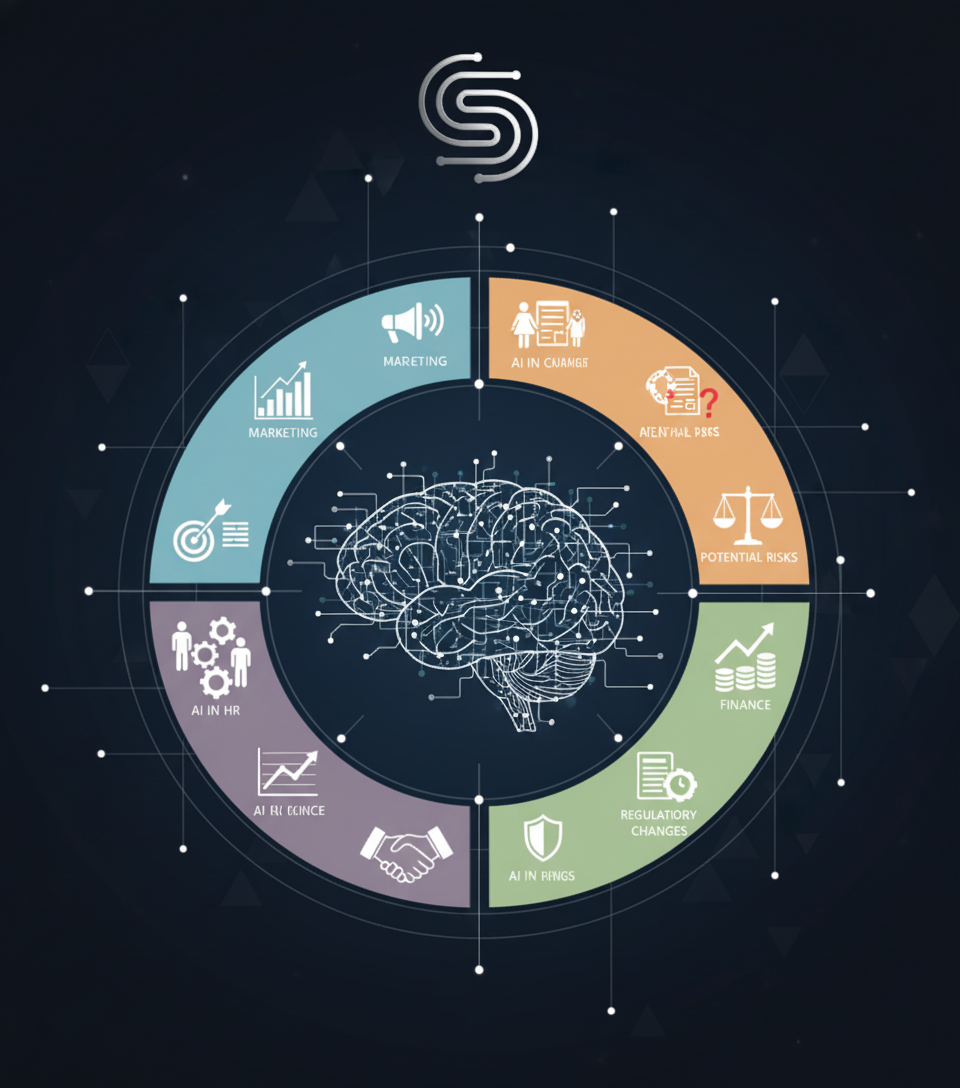
AI Integration in Business: From Marketing to HR and Regulatory Changes
Artificial intelligence is rapidly transforming various aspects of business operations. Here's a breakdown of key developments and what they mean for business owners:
Marketing and Customer Interaction
- AI-Powered Marketing Agencies: Marketing agencies using AI in their workflows can serve more clients, but may need internal restructuring to adapt.
- Customizable AI Chatbots: OpenAI allows users to adjust ChatGPT’s enthusiasm level, which can help businesses tailor customer interactions.
Human Resources and Operations
- AI in HR: AI is making a real operational impact in human resources, streamlining processes and potentially changing workforce needs.
- Wall Street's AI Gains: Banks are planning for fewer people as AI adoption increases, indicating a shift in workforce strategy.
AI Development and Investment
- AI Code Review Assistant: Cursor continues its acquisition spree with Graphite, an AI code review assistant valued at $290 million.
- Copilot Rollouts: Large-scale Copilot license implementations are occurring in Indian service companies, signaling enterprise-level AI adoption.
- Venture Capital: Resolve AI, founded by ex-Splunk executives, hits a $1 billion valuation with its Series A funding, highlighting investor confidence in AI startups.
Regulatory Landscape
- New AI Regulations: New York Governor Kathy Hochul signs the RAISE Act to regulate AI safety, requiring large AI developers to report safety incidents and publish safety protocols.
Challenges and Risks
- Robotaxi Issues: Waymo suspends service in San Francisco after robotaxis stall during a blackout, illustrating potential risks and limitations of current AI technology.
These developments collectively show that AI is not just a future trend but a present reality, offering opportunities for increased efficiency and innovation, while also posing new challenges and regulatory considerations for businesses.