AI Transformation: From Disney's Operating Model to Healthcare and Energy Systems
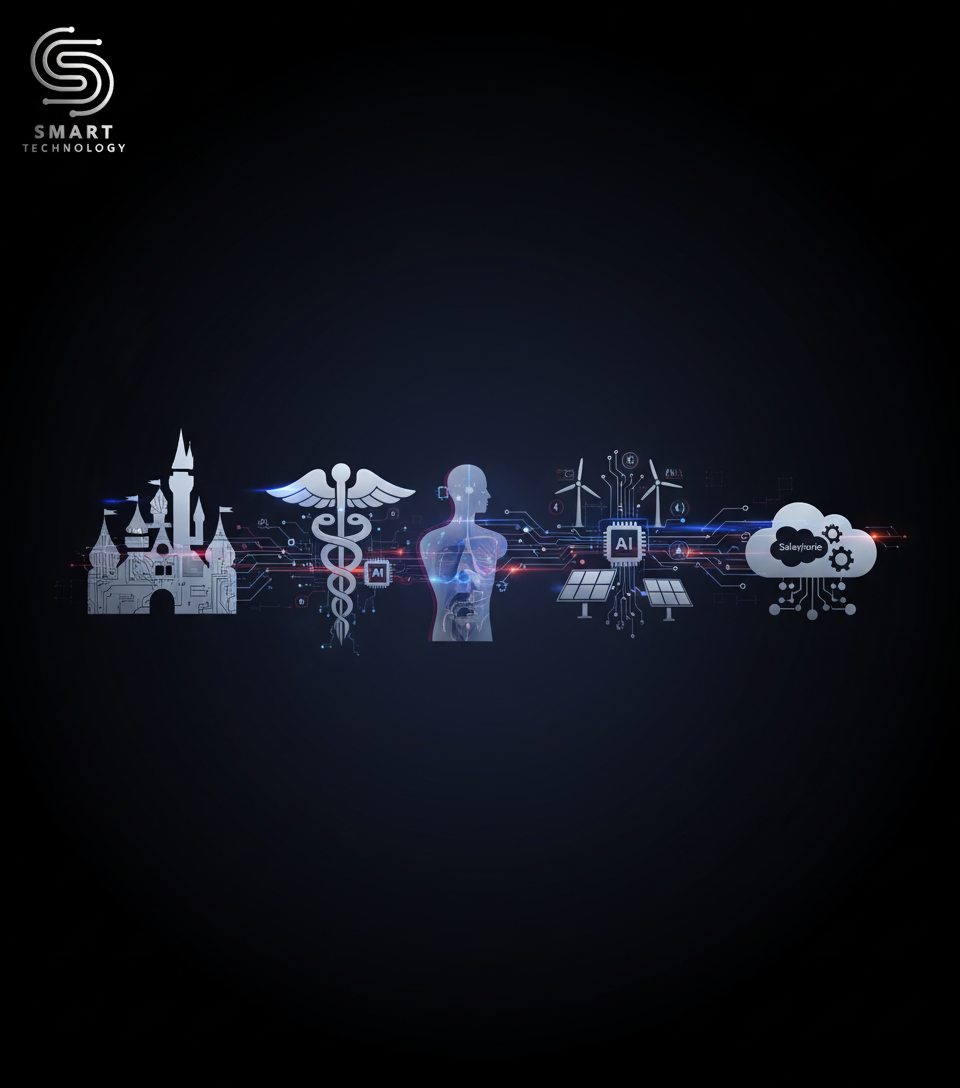
AI's Expanding Role: Implications for Business Owners
Artificial intelligence is rapidly permeating various sectors, presenting both opportunities and challenges for business owners. Here's a look at key developments:
Disney Integrates Generative AI
- Enhanced Customer Experiences: Disney's move to embed generative AI into its operating model signals a new era of personalized and interactive entertainment.
- Operational Efficiency: AI-driven content creation and optimization can streamline workflows and reduce costs.
AI in Healthcare: Revolutionizing Operating Rooms
- Cost Reduction: AI-powered solutions in operating rooms can address inefficiencies and reduce hospital expenses.
- Improved Outcomes: AI can assist surgeons, enhance precision, and improve patient care.
China's AI-Driven Energy System
- Smart Grids: China's push to apply AI across its energy system demonstrates the potential for optimizing energy distribution and reducing waste.
- Predictive Maintenance: AI can predict equipment failures, enabling proactive maintenance and minimizing downtime.
Salesforce and the AI Paradox
- Customer Trust and Resilience: Salesforce emphasizes customer trust and resilience with ISO 22301 certification.
- AI Integration Challenges: Replacing experienced staff with AI can lead to regrets, highlighting the need for a balanced approach.
Data Centers Take Center Stage
- Infrastructure Importance: The growing prominence of data centers underscores the need for robust and scalable infrastructure to support AI applications.
Arm and the Future of AI at the Edge
- Edge Computing: Arm's focus on AI at the edge enables real-time processing and reduces reliance on centralized data centers.
In conclusion, business owners should strategically explore AI applications to enhance efficiency, improve customer experiences, and drive innovation. However, it's crucial to balance AI adoption with human expertise and ethical considerations.